The Emergence of Generative Casino NFTs on Art Blocks
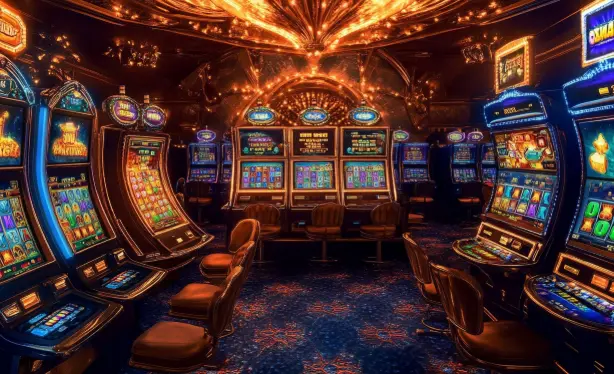
Art Blocks has fundamentally redefined the intersection of algorithmic art and blockchain-based gaming culture. Generative Casino NFTs represent a paradigm shift in how collectors perceive digital ownership within the iGaming ecosystem. These tokens are not merely static JPEGs; they are programmatically generated artworks whose visual output is determined by a deterministic script stored on-chain. When a collector mints a piece from a curated collection, the smart contract executes a unique hash, producing a one-of-a-kind visual composition that embodies the thrill of the casino floor—slot reels, roulette wheels, poker chips, and neon-lit jackpot motifs—rendered through generative code. 🎰 This fusion of provably fair randomness and aesthetic sophistication has captivated high-stakes collectors and digital art connoisseurs alike.
Technical Architecture and On-Chain Provenance
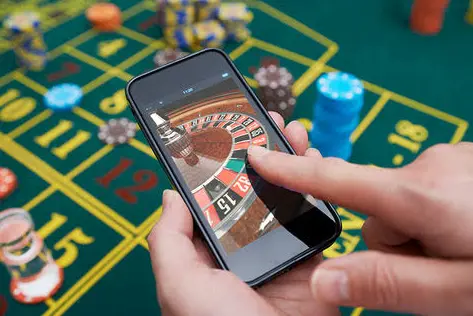
From a technical standpoint, **Generative Casino NFTs** leverage the ERC-721 standard on the Ethereum blockchain, with Art Blocks serving as the canonical minting platform. The artistic script—often written in JavaScript using p5.js or WebGL—is stored immutably on-chain, meaning the visual output can be reproduced by anyone with access to the token's tokenHash. This architecture guarantees **provenance** and **immutability**, two pillars that underpin collector confidence. The casino theme introduces a layer of gamified engagement: rare traits might include a "Royal Flush" alignment, a "Triple Seven" jackpot configuration, or an animated roulette spin sequence. Rarity tiers are determined by the frequency of specific trait combinations across the entire collection, creating a speculative market dynamic that mirrors the volatility of high-roller gambling floors.
Market Dynamics and Collector Psychology
The secondary market for these tokens operates on platforms such as OpenSea and Blur, where floor prices for blue-chip generative casino collections have occasionally eclipsed six figures in ETH. Collector psychology here is twofold: the allure of aesthetic ownership combined with the dopamine-inducing variable reward mechanism inherent to gambling. Each mint is a spin of the digital wheel—a gamble on whether the generated output will be deemed "rare" by the community. This creates a vibrant, albeit volatile, trading environment where **floor price** fluctuations are monitored as intently as a blackjack table's odds. Institutional collectors and DAOs have begun acquiring these assets as both cultural artifacts and alternative investment vehicles, further legitimizing the niche.
Curatorial Standards and Artistic Merit
Art Blocks' curated collections are vetted by a panel of established digital artists and technologists, ensuring that each generative casino project meets rigorous artistic and technical criteria. The casino motif is not merely decorative; it serves as a commentary on risk, reward, and the algorithmic nature of chance itself. Renowned generative artists have explored themes of stochastic beauty, where the tension between order and chaos mirrors the unpredictable outcomes of a slot machine. This intellectual depth elevates the genre beyond mere gambling paraphernalia, positioning it within the broader discourse of post-internet art and blockchain-based cultural production. 🎲
Interoperability and the Metaverse Gambling Frontier
Looking ahead, generative casino NFTs are poised for interoperability within metaverse platforms and decentralized gambling protocols. Imagine a virtual casino where your NFT serves as both a collectible artwork and a functional gaming asset—unlocking exclusive tables, acting as a high-stakes chip, or granting governance rights in a decentralized casino DAO. The composability of Ethereum smart contracts enables such utility layers to be built atop existing collections. This convergence of art, gambling, and decentralized finance represents a frontier where **digital scarcity** meets **experiential utility**, creating a feedback loop of value that traditional casino operators and NFT collectors are only beginning to comprehend.
Risk, Regulation, and Responsible Participation
It is imperative to acknowledge the regulatory ambiguity surrounding gambling-adjacent NFTs. Depending on jurisdiction, tokens that confer gambling utility or mimic wagering mechanics may fall under stringent gaming regulations. Collectors should conduct thorough due diligence, consulting legal counsel where necessary. The speculative nature of both NFT markets and gambling necessitates a disciplined approach to capital allocation. 🃏 Responsible participation means understanding the smart contract's minting mechanics, the rarity distribution, and the liquidity profile of the secondary market before committing funds. The intersection of generative art and casino culture is exhilarating, but it demands the same calculated risk management as any high-stakes table.