The Art of Casino Whiskey Tasting: A Convergence of Risk and Rare Spirits
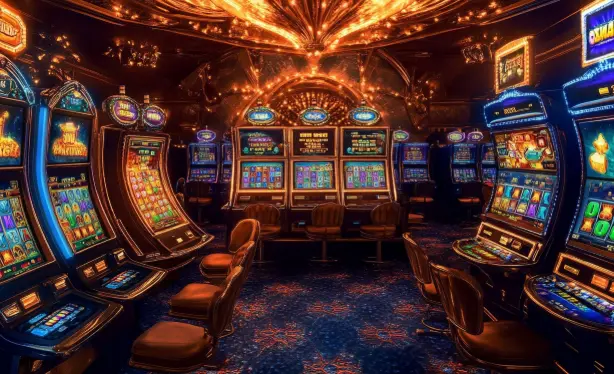
Luxury gaming hospitality has evolved far beyond the mere spin of a roulette wheel. Today, the discerning high-roller demands a multi-sensory experience, and at the pinnacle of this trend lies the **Casino Whiskey Tasting** event. This is not a simple bar service; it is a meticulously curated symposium of rare casks, high-stakes ambiance, and olfactory mastery. 🥃 For the premium spirits event organizer, the integration of a world-class whiskey library within a gaming floor represents the ultimate flex of exclusivity and sophistication.
Defining the Premium Spirits Event: Beyond the Pour
A true **Premium Spirits Event** within a casino environment requires a level of execution that rivals a Michelin-starred kitchen. It is an exercise in sensory overload management. The objective is to balance the adrenaline of the gaming pit with the contemplative, almost meditative pace of a vertical tasting. Industry professionals understand that the palate must be primed before a patron approaches a single malt Scotch or a rare Japanese single cask. The atmospheric pressure of the casino floor—the chime of slot machines, the murmur of the craps table—must be acoustically isolated or transformed into a rhythmic backdrop for the tasting notes. This requires acoustic engineering and lighting design that highlights the amber hue of the spirit without distracting from the felt of the tables. The precise temperature of the dram, typically between 18°C and 21°C, is non-negotiable for releasing the volatile esters that define a premium pour.
Curating the Cask: A Study in Liquid Assets
The sourcing strategy for such an event is paramount. A generic selection of mass-market blends is a fatal error. The portfolio must feature expressions that are either discontinued, single-cask, or cask-strength, offering a flavor profile that cannot be replicated in a standard retail setting. For instance, a 25-year-old Sherry-butt matured Speyside provides the dried fruit and leather notes that pair exceptionally well with the psychological thrill of a high-limit baccarat session. The curator must act as a sommelier of risk, selecting drams that mirror the volatility of the games. A peated Islay malt, with its smoky, iodine-heavy complexity, might be reserved for the high-volatility slots player, while a smooth, wheated bourbon is the companion for the strategist at the poker table. The narrative of the distillery—the water source, the still shape, the warehouse microclimate—must be articulated with the same precision as a dealer shuffling a deck.

The Ritual of Tasting: Techniques for the High-Stakes Connoisseur
Educating the guest is the differentiating factor between a simple give-away and a **Premium Spirits Event**. The ritual begins with the "nosing" glass, preferably a Glencairn or Copita, which directs the ethanol vapors away from the nasal passages. The host must guide the attendee through the "Kentucky Chew" or the "Scottish Nose" to aerate the liquid and release the top notes of vanilla, caramel, and oak lactones. Water is not an insult but a tool; a few drops of distilled water can break the surface tension and unlock hidden floral or spicy notes that were previously bound by the alcohol. This educational component appeals directly to the E-E-A-T principles of expertise and authoritativeness. The guest is not just drinking; they are analyzing. The discussion should cover the angel's share, the distinction between chill-filtration and non-chill-filtration, and the impact of barrel char levels on the final color and tannic structure.
Integrating Gaming Mechanics with Tasting Flights
To elevate the experience, the structure of the tasting can mirror the mechanics of casino games. A "Flight of Fortune" might offer three drams of increasing age statements, corresponding to a three-stage multiplier on a slot machine. A "Blind Cask" challenge invites players to identify the region or age, with the reward being a casino chip bonus or an exclusive bottle allocation. This gamification of the tasting process drives engagement and retention. The service staff must be trained not only in mixology but in the psychology of the player. They must recognize the signs of palate fatigue and offer a neutralizer—perhaps a piece of dark chocolate or an unpeated Irish whiskey—to reset the senses. The synchronization of the tasting flight with the player's gaming cycle creates a seamless loop of dopamine and delight.
Logistical Precision: Temperature, Glassware, and Allocation
The operational backbone of a successful **Casino Whiskey Tasting** is invisible but critical. Inventory control is a matter of security and scarcity. Allocating a single bottle of a 40-year-old expression for a tasting of twenty guests requires mathematical precision. The pour size must be standardized—typically 15ml to 20ml for a flight of four to six expressions—to prevent intoxication while maximizing appreciation. The glassware must be polished to a streak-free shine, as residual soap or lint will destroy the delicate aroma of a fine spirit. The lighting in the tasting suite should be warm and adjustable, allowing the host to demonstrate the "legs" or viscosity of the whiskey, which indicates its ABV and mouthfeel. The integration of digital tasting mats, where guests can scan a QR code to view the distillery's history, adds a layer of technological sophistication that modern high-rollers expect. 🎲
The Economic Impact of Elite Tasting Programs
From a revenue management perspective, the inclusion of a premium spirits event transforms the casino from a transactional venue into a destination resort. The average spend per patron increases exponentially when they are engaged in a curated activity that validates their status as a connoisseur. The exclusivity of the event—invitation-only or tiered by player card status—creates a powerful incentive for players to maintain their loyalty tier. The whiskey itself becomes a form of currency, a tangible reward that appreciates in memory value long after the chips have been cashed out. The marketing collateral must reflect this gravity: heavy cardstock tasting notes, embossed with gold leaf, and the presence of a brand ambassador from the distillery. This level of detail signals to the guest that they are not merely a gambler, but a patron of the liquid arts. 🥃